
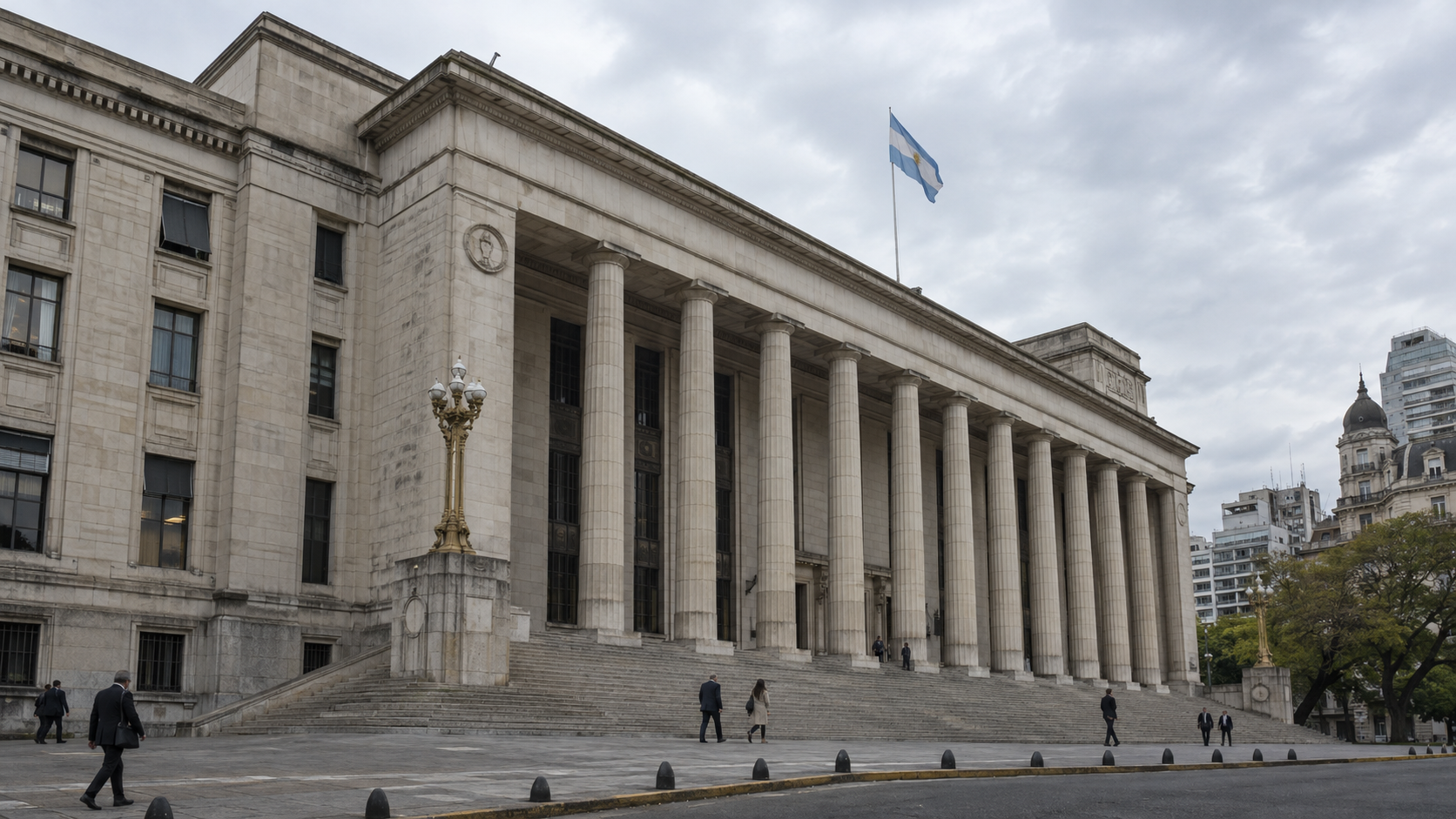
The LIBRA memecoin investigation into Argentina’s President Javier Milei and others has been dismissed by a federal judge, according to Reuters on October 23, 2026. The judge found that the evidence did not show criminal deception by the people under investigation. The ruling closes this criminal inquiry at this stage. It does not return money to investors, prove that LIBRA was a safe investment or end every possible legal challenge.
What the Judge Decided
The case focused on Milei’s public promotion of LIBRA in February 2025. The token’s price rose after his post on X, then fell sharply. Milei later deleted the post. He said he acted in good faith and did not know the project’s details.
Reuters reported that the judge dismissed the criminal investigation into Milei, his sister Karina Milei and U.S. businessman Hayden Davis. The Block reported that 11 people were cleared in total. These reports concern the criminal case. They do not mean every question about LIBRA or every investor complaint has been resolved.
Why the Token Drew Scrutiny
LIBRA became a political and crypto controversy after its rapid rise and crash. Blockchain researchers said wallets linked to the project team withdrew tens of millions of dollars. Those transfers helped fuel claims of a possible rug pull. But blockchain records alone do not prove what each person intended or establish every part of a crime.
The judge’s reported reasoning drew a line between a public endorsement and proof of fraud. A president’s post may give a token more attention and affect its price. But that fact alone does not prove a criminal agreement or deliberate deception. The court found that the evidence did not meet the legal test in this case.
Could There Be More Legal Action?
The dismissal may not end every court dispute. The Block reported that investors who were removed from the criminal case were seeking to be added back through another court. If they succeed, they may be able to challenge the dismissal. The status of that effort should be checked before any later article calls the ruling final in every respect.
A criminal case is also different from a civil claim or a political review. A decision not to pursue criminal charges does not erase investor losses. It does not automatically answer whether other legal remedies are possible.
Lessons for Crypto Buyers
The case shows how a public endorsement can move a speculative token. It is not a substitute for research. Buyers should check token supply, liquidity, wallet concentration and who runs a project. A fast price rise does not prove that an asset is sound. A later court ruling does not make a risky token safe.
For wider context on crypto accountability, read our report on ZachXBT’s investigation into a major crypto-laundering network. Follow-up reporting should keep court findings separate from allegations, losses and any open legal steps.
Sources: Reuters, October 23, 2026; The Block, October 24, 2026; Al Jazeera, October 24, 2026.