

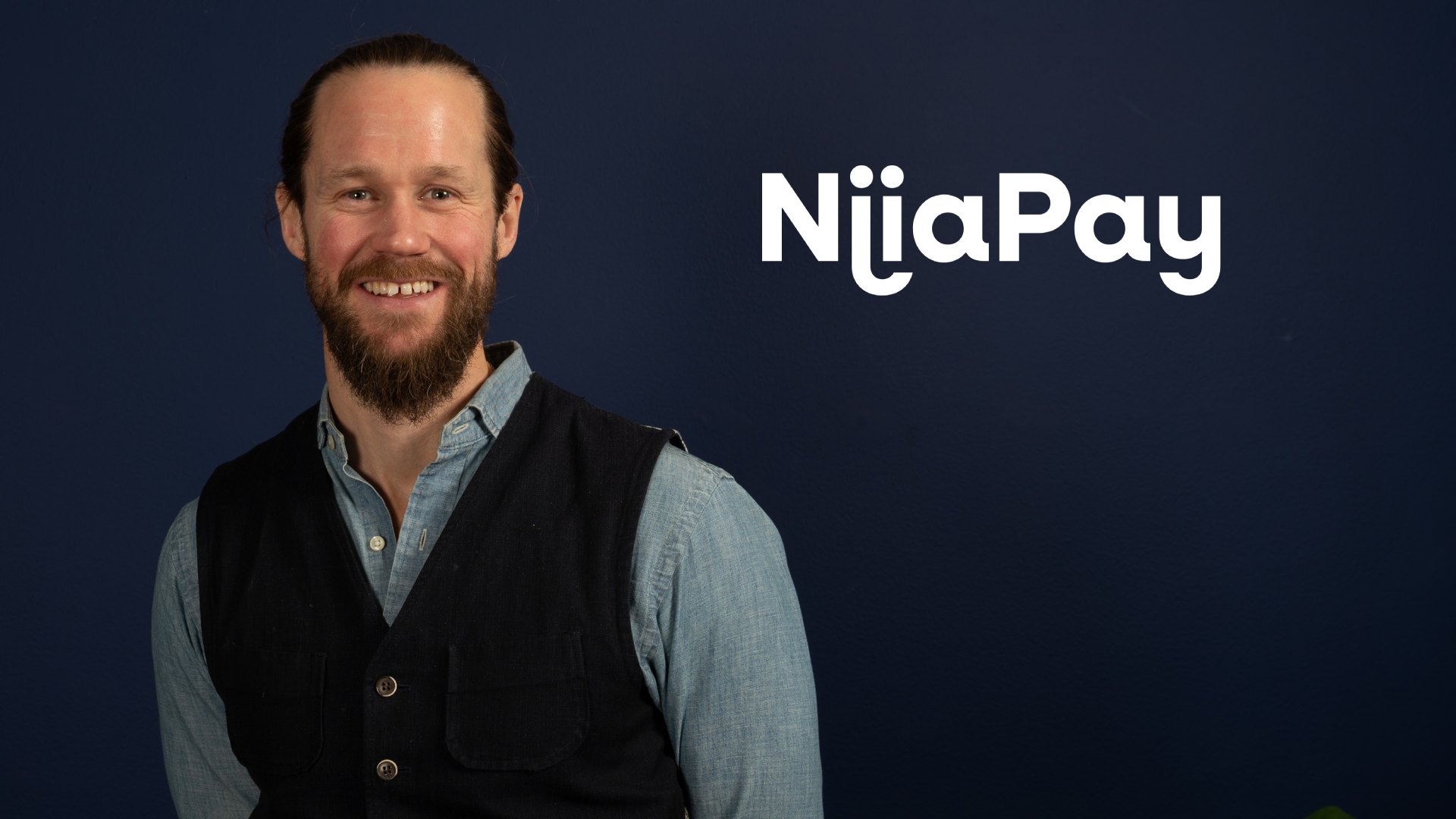
“As Africa’s digital payments market grows, ecommerce businesses need to treat checkout as part of the customer experience, not just the final step in a sale.” – Jonatan Allbäck, CEO & Co-Founder of NjiaPay
Nobody builds an online store hoping customers will give up at the last click. Yet that is exactly where too many businesses still lose sales: the customer was ready to buy and the business had already done the hard part, but then the checkout got in the way.
Payments should be central to how African businesses think about growth. Instant payment systems move vast sums each year and the digital payments economy continues to expand, yet payments are still too often treated as time-consuming admin.
According to AfricaNenda’s 2025 State of Inclusive Instant Payment Systems report, 36 instant payment systems across 31 African countries processed 64 billion transactions in 2024. A Mastercard report estimates that Africa’s digital payments economy could reach $1.5 trillion by 2030. With more customers paying digitally, the payment experience should be seen as a commercial focus and not just an administrative afterthought.
A slow checkout, failed transactions, confusing payment lists or unnecessary authentication steps breaks the buying journey at the moment of highest intent. For businesses already spending money on marketing, logistics, technology and customer acquisition, that is a costly place to lose a sale.
Payments as a growth engine
We need to reframe how we see payments. They’re no longer an unnecessary evil but have become a clear lever for improving conversion, retaining customers and growing revenue. Brands like Apple, Burberry, Nike, Netflix and Uber began treating payments as a strategic part of their business a decade ago.
The first shift is to stop thinking only in terms of transaction fees and realise that the cheapest provider is not always the best suited for your business. The lowest-cost option might turn out to be more expensive.
The real cost of payments includes everything from provider, bank and gateway fees to the reconciliation time, settlement delays, integration maintenance, support queries, fraud losses, chargebacks, false positives, refunds, failed payments and abandoned carts.
A payment setup can look cheap and still be expensive. If it creates manual work for finance teams, triggers support tickets or blocks legitimate customers, the business pays in ways that do not show up on a provider invoice. A failed payment can mean a lost customer, wasted acquisition cost and a damaged moment of trust.
There is also a strong case for reducing friction for returning customers. One-click and card-on-file payments can make repeat purchases easier after a secure transaction. Payment optimisation data shows that one-click payments deliver a 15% improvement in approval rates compared with one-off card transactions, a 12% improvement in conversion rates and an estimated 10 to 15% overall revenue uplift. Buy-now-pay-later providers also report average order value increases of 20 to 30%.
This is why payments need to be measured as part of business performance.
Online businesses should track approval rates, conversion, cart abandonment, chargebacks, refunds, fraud, support tickets, churn, customer lifetime value and acquisition cost. These are not just technical metrics, but they show businesses where revenue leaks out.
Know Your Customer
With payment choices, businesses are tempted to offer as many methods as possible in the belief that more choice means more convenience. But a better approach would be to understand what customers use, and then focus on the methods that support conversion, trust and simplicity.
This matters especially in African markets, where payment behaviour varies between customers, countries and income segments.
The International Monetary Fund (IMF) has noted that mobile money and fast payment systems can support inclusion, growth and regional integration when backed by stronger public infrastructure. This is especially true in Africa, as shown by M-PESA in Kenya and Wave in Senegal.
For online businesses, a clear and secure payment experience should be an important part of the customer experience because studies have shown that trust affects conversion.
For South African online businesses, the right mix may include options such as cards, Capitec Pay, Apple Pay or Google Pay, EFT, buy-now-pay-later and vouchers, depending on the customer base. The mix will differ by business, but payment options should help customers complete purchases and not simply appear because they are available.
Businesses can remove underused payment methods, consolidate providers, introduce card-on-file options and measure what happens to conversion, approval rates, support queries and repeat purchases. The aim is not to chase every payment trend, but to treat payments as a growth lever.
When managed properly, payments can reduce friction, recover lost sales, improve retention and turn customer intent into revenue. All it requires is a shift in mindset: start treating payments as a strategic revenue driver rather than purely a cost item.