

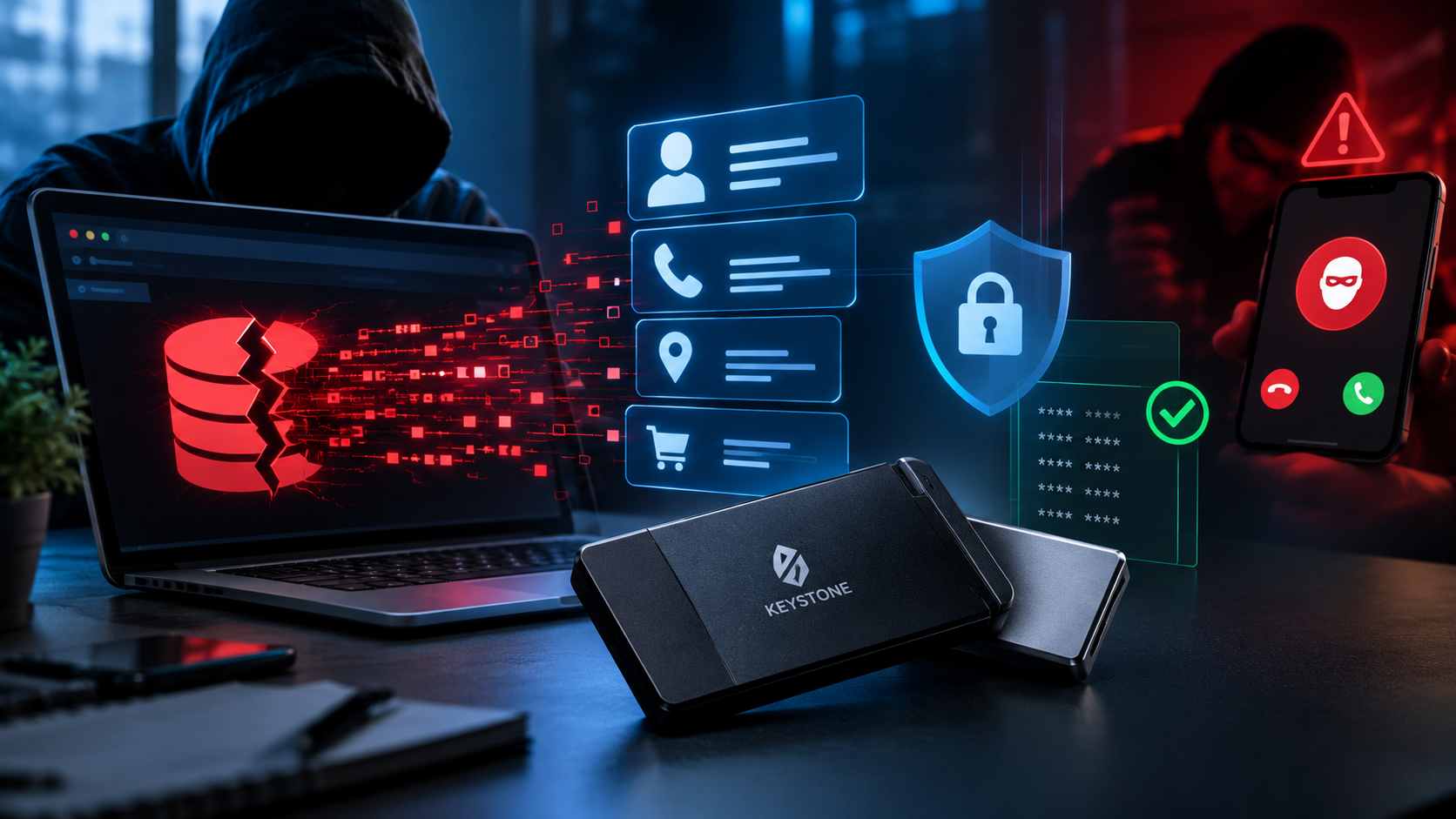
Keystone, a cryptocurrency hardware wallet manufacturer, has disclosed a security breach that exposed customers’ personal information, including names, contact details, shipping addresses and purchase records. The incident has raised concerns about targeted phishing attacks and fraudulent customer support messages aimed at cryptocurrency investors.
The company detected unauthorized access to its official website on October 20, 2026. After investigating activity involving its Ecommerce provider, Shopify, Keystone confirmed on October 23 that an unauthorized third party had obtained customer shipping information. The company disclosed the incident publicly on October 24.
Although the breach exposed sensitive customer information, Keystone said attackers did not obtain cryptocurrency recovery phrases, private keys, payment card details, bank information or wallet passwords. However, the stolen data could help criminals identify customers and create convincing scams that exploit their trust in the hardware wallet provider.
Keystone Data Breach Exposes Customer Names and Addresses
Keystone confirmed that the compromised information included customer names, contact details, shipping addresses and order information, including purchased products and their prices.
The incident highlights a significant cybersecurity risk for cryptocurrency users. Hardware wallets help protect digital assets by keeping private keys offline, but purchasing these devices often requires customers to provide personal information through online stores.
When criminals obtain those records, they can use legitimate order details to make fraudulent communications appear authentic. For example, a scammer could contact a customer about a specific hardware wallet purchase, claim a delivery problem exists or offer a replacement device to gain the victim’s confidence.
Keystone said it had blocked the unauthorized access, fixed the vulnerability and launched an investigation into the incident. The company also began notifying affected customers by email and promised to publish a more detailed report about the breach.
However, the company has not publicly established the full scope of the incident in the initial disclosure. Until investigators provide additional information, customers should remain cautious about communications that reference their purchases or personal details.
Keystone Warns Customers About Fake Support Scams
The most immediate concern following the Keystone security incident is the possibility of targeted phishing attacks. Cybercriminals could use the exposed information to impersonate Keystone employees and contact customers through phone calls, text messages, emails or physical mail.
These fraudulent messages might promise refunds, replacement hardware wallets or assistance with shipping addresses. Scammers could also claim that customers must verify their wallets or complete urgent security procedures to protect their cryptocurrency holdings.
Such tactics can make phishing attempts more convincing because criminals may already know a victim’s name, address or purchase history. A message containing accurate order information can appear legitimate even when it comes from someone attempting to steal cryptocurrency.
Keystone has warned customers not to trust unsolicited communications offering refunds, replacement devices or solutions to supposed order problems. The company has also emphasized that legitimate support representatives will never request customers’ recovery phrases or private keys.
Cryptocurrency holders should never share their recovery phrases or private keys with anyone. They should also avoid entering recovery phrases into unfamiliar devices or following instructions from unsolicited messages.
Customers should access Keystone’s official website directly rather than clicking unexpected links. Anyone who receives a suspicious message should independently verify the communication through the company’s official support channels before taking action.
Keystone Breach Raises Wider Cryptocurrency Security Concerns
The Keystone incident highlights how data breaches can threaten cryptocurrency holders even when attackers never access their wallets or private keys.
Hardware wallets provide an important layer of protection against online attacks, but they cannot prevent every risk associated with purchasing, storing and managing cryptocurrency. Customer databases, Ecommerce platforms and third party services can introduce separate security vulnerabilities.
Exposed personal information can also create privacy and physical security concerns, particularly when criminals can associate an individual’s identity and home address with a cryptocurrency hardware wallet purchase. Although the disclosed information does not establish that customers have suffered financial losses, it could help criminals identify and target potential victims.
The incident follows other security concerns affecting hardware wallet customers. In August 2026, a breach involving Trezor’s shipping provider exposed customer information, demonstrating how logistics and Ecommerce systems can create risks beyond the devices themselves.
For Keystone customers, the immediate priority is to remain alert for impersonation attempts and protect their wallet credentials. Users should enable available account security protections, verify unexpected requests independently and never disclose sensitive wallet information.
Keystone has stated that it is investigating the breach and plans to release a detailed report. Further findings should help clarify how the unauthorized access occurred and whether additional safeguards are necessary.
For now, the incident serves as a reminder that cryptocurrency security extends beyond private keys. Protecting personal information and recognizing social engineering attempts remain essential parts of safeguarding digital assets.